

Extractions At Hallandale Dental Care
Experience safe, comfortable tooth extractions in Hallandale Beach. Our gentle approach protects your oral health, relieves dental pain, and ensures a smooth, optimal recovery.
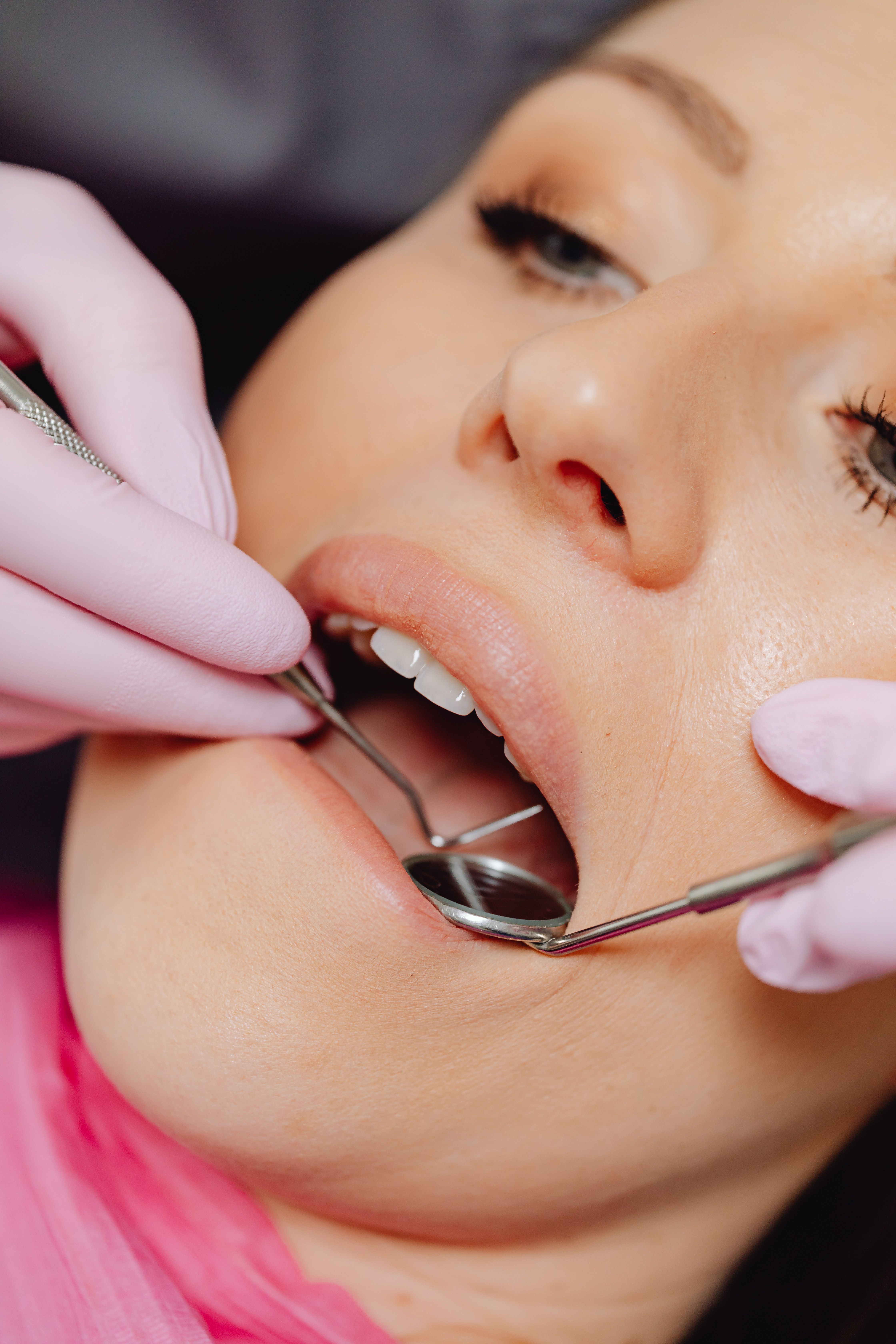
When a tooth is severely damaged, decayed beyond repair, or impacted, a professional extraction is often necessary to protect your overall oral health. At Hallandale Dental Care, we perform extractions with the utmost care, precision, and gentleness. We understand that needing a tooth removed can feel concerning, but rest assured our experienced dental team prioritizes your comfort at every step, creating a treatment plan that minimizes discomfort and promotes optimal recovery.
Extractions are performed to prevent the spread of infection, relieve acute pain, address severe crowding, or prepare your smile for orthodontic care or restorative solutions like dental implants. Whether you need a simple extraction for a visible tooth or a surgical extraction for an impacted wisdom tooth, we utilize advanced numbing techniques and precise methods to ensure a pain-free experience. Following your procedure, our team provides detailed post-care guidance and works with you to discuss seamless replacement options to keep your smile functional and complete.
Key benefits of tooth extractions at Hallandale Dental Care include:
- Immediate Pain & Infection Relief: Removes severely infected or damaged teeth to stop bacteria from spreading.
- Gentle, Pain-Free Procedure: Performed under effective local anesthesia to keep you completely comfortable.
- Prevents Dental Crowding: Relieves overcrowding and creates essential space for orthodontic alignment.
- Comprehensive Care & Restoration: Clear recovery protocols and integrated tooth replacement options like implants and bridges.
Questions Patients Ask Us
Tooth extractions are needed for severe tooth decay, deep fractures below the gumline, advanced gum disease, overcrowding, impacted wisdom teeth, or to prepare for dental prosthetics.
No, the procedure is not painful. We use modern local anesthetics to completely numb the area, ensuring you only feel mild pressure without pain during the removal.
A simple extraction removes a visible tooth above the gumline in one piece, while a surgical extraction involves removing teeth that are broken at the gumline or impacted beneath gum and bone.
Initial healing typically takes 7 to 10 days. Most patients return to normal daily activities within 1 to 2 days while following basic post-operative care instructions.
A dry socket occurs when the protective blood clot in the extraction site dislodges prematurely. Prevent it by avoiding drinking through straws, smoking, vigorous rinsing, or spitting for at least 48 to 72 hours.
Stick to soft foods like yogurt, applesauce, smooth soups, mashed potatoes, and smoothies (eaten with a spoon, not a straw) for the first few days after your procedure.
Bite down gently on gauze pads to stop bleeding, apply ice packs to reduce swelling, keep your mouth clean with gentle warm salt-water rinses after 24 hours, and avoid brushing directly over the socket.
Unless the extracted tooth is a wisdom tooth, replacing it with a dental implant, bridge, or partial denture is highly recommended to prevent adjacent teeth from shifting and preserve jawbone structure.
Wisdom teeth extractions are necessary if the teeth are impacted, causing pain, crowding adjacent teeth, developing cysts, or proving difficult to clean properly.
Avoid vigorous physical activity and heavy lifting for at least 48 to 72 hours after surgery, as increased blood pressure can trigger bleeding at the extraction site.